


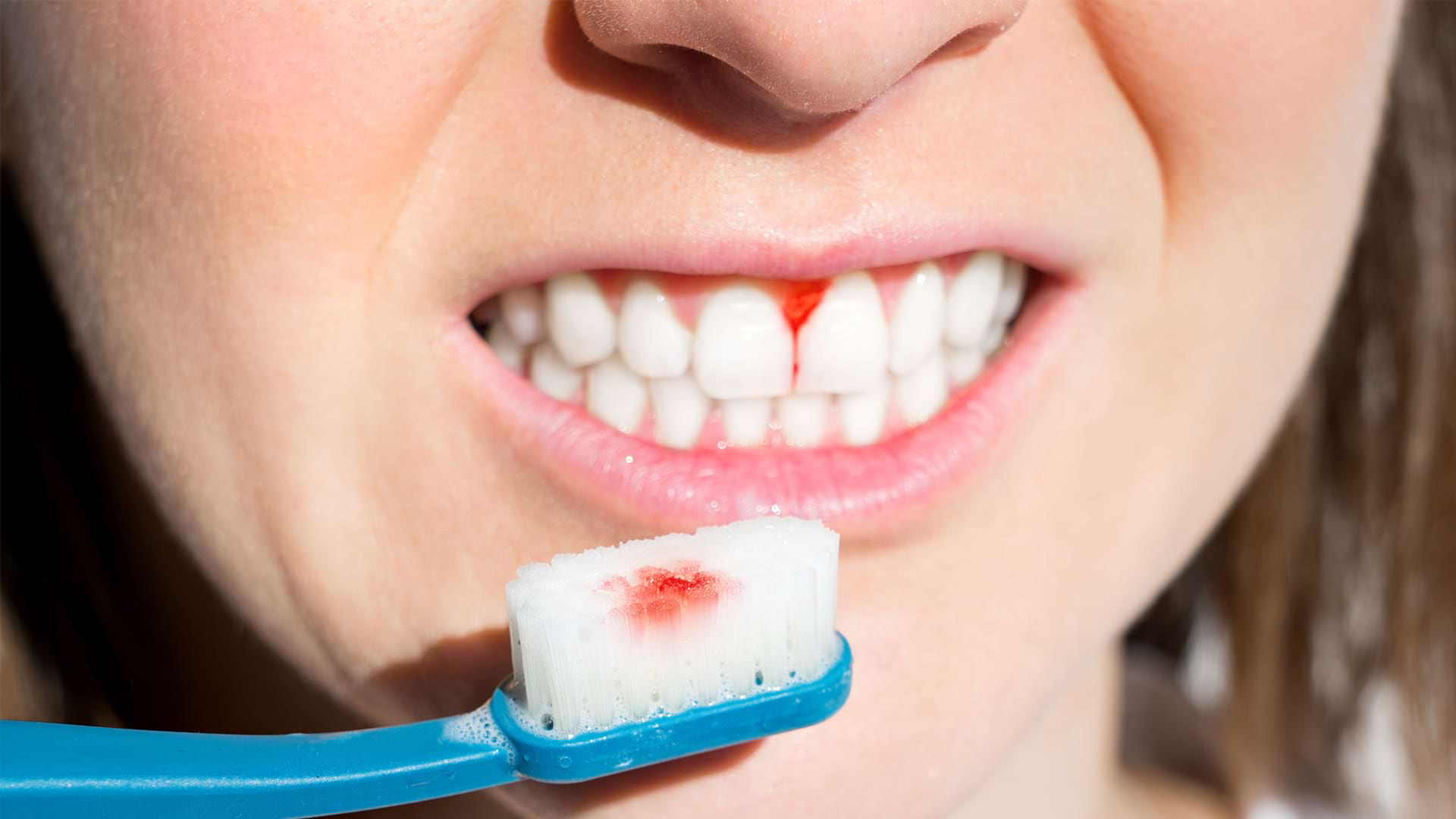
Periodontitis is a serious inflammatory condition that affects the gums and the supporting bone structure of the teeth.
If left untreated, it can lead to permanent tooth loss. This condition highlights the critical importance of consistent oral hygiene. Affecting both the soft tissue and the bone surrounding the teeth, it often progresses silently without causing significant pain in its early stages.
The primary cause of periodontitis, commonly known as advanced gum disease, is microbial dental plaque—a sticky film of bacteria that forms on the tooth surface. This infection causes the destruction of the soft tissue and the alveolar bone. While it can often be managed with professional treatment and improved oral care, advanced cases may require surgical intervention.
When treatment is delayed, the alveolar bone that anchors the tooth in place begins to dissolve, leading to tooth mobility and eventual loss. Periodontitis does more than affect your smile; medical literature links it to serious systemic health issues, including heart disease, diabetes, stroke, and respiratory conditions.
Red, swollen, or shiny gums are the first signs of trouble. Healthy gums should be firm and pale pink.
Persistent bad breath and gums that bleed easily during brushing or flossing are indicative of active infection.
Smoking masks symptoms by reducing blood flow, allowing the disease to progress rapidly beneath the surface.
The foundation of any gum treatment is impeccable oral hygiene. This involves brushing twice a day with the correct technique and using tools recommended by your periodontist, such as interdental brushes and dental floss, to remove plaque from hard-to-reach areas.
Note: Electric toothbrushes may provide more effective cleaning for individuals with limited dexterity.
Dental plaque that has hardened into tartar cannot be removed by brushing alone. Scaling involves the use of ultrasonic instruments to remove tartar from the tooth surface and just below the gum line to eliminate the source of inflammation.
For more advanced cases, root planing is performed to smooth the root surfaces. This prevents further plaque buildup and allows the gum tissue to reattach itself healthily to the tooth root.
In certain scenarios, antimicrobial mouthwashes, specialized gel inserts, or oral antibiotics may be prescribed to assist in controlling the bacterial infection during or after professional cleaning.
In severe cases where non-surgical methods are insufficient, specialized surgical procedures may be required to eliminate deep infection pockets and regenerate lost tissues.
This procedure allows direct access to the root surface. After thorough cleaning and disinfection, the gums are sutured back into place for optimal healing.
Using synthetic or natural bone grafts, we can encourage the body to regrow bone and soft tissue that was previously destroyed by periodontal disease.