


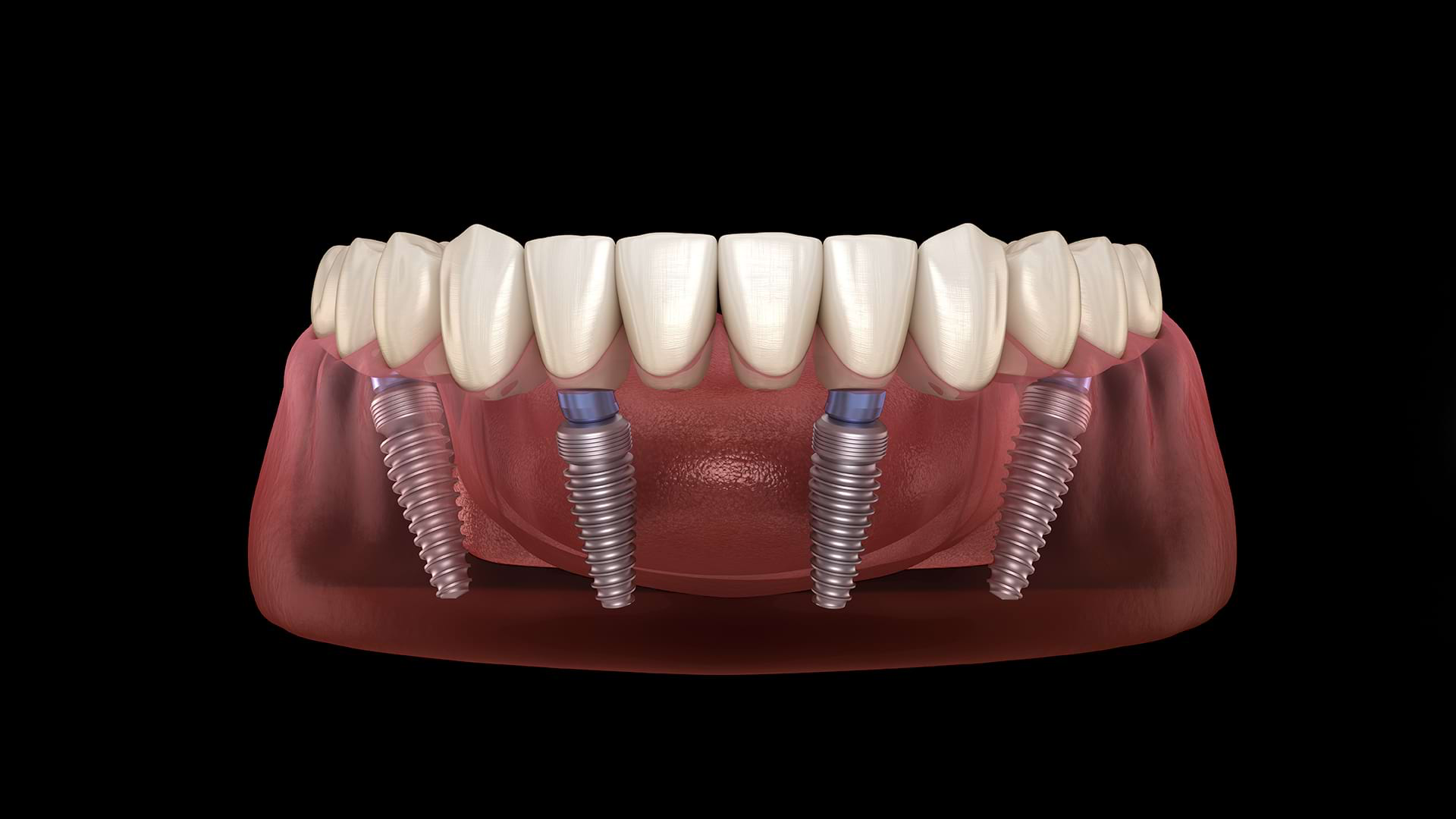
Dental implants are artificial tooth roots used to replace missing teeth. Implants are typically made of biocompatible materials such as titanium and are surgically placed into the jawbone. Subsequently, a crown (artificial tooth) or a dental bridge is mounted onto these implants.
This method offers a fast and effective solution using only four implants for completely edentulous (toothless) individuals. Two implants are placed at an angle in the posterior region, and two are placed straight in the anterior. If bone density is sufficient, temporary teeth can be fitted immediately.
Detailed Information
This is a popular treatment option where the implant and temporary tooth are placed on the same day. It can be applied when sufficient primary stability (torque) is achieved. Aesthetic loss is minimized, and the need for removable dentures is eliminated.
Detailed Information
This is a guided surgery method pre-planned with 3D tomography. The operation time and recovery process are shorter, with significantly less pain and swelling. The prosthetic design is finalized before the implant is even placed.
Detailed Information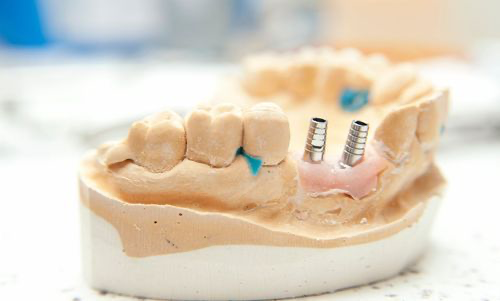
Bone deficiency can often be an obstacle to implant treatment. However, this issue can be resolved using methods such as bone grafting or sinus lifting. Once sufficient bone structure is restored, implants can be safely and securely placed.
Detailed Information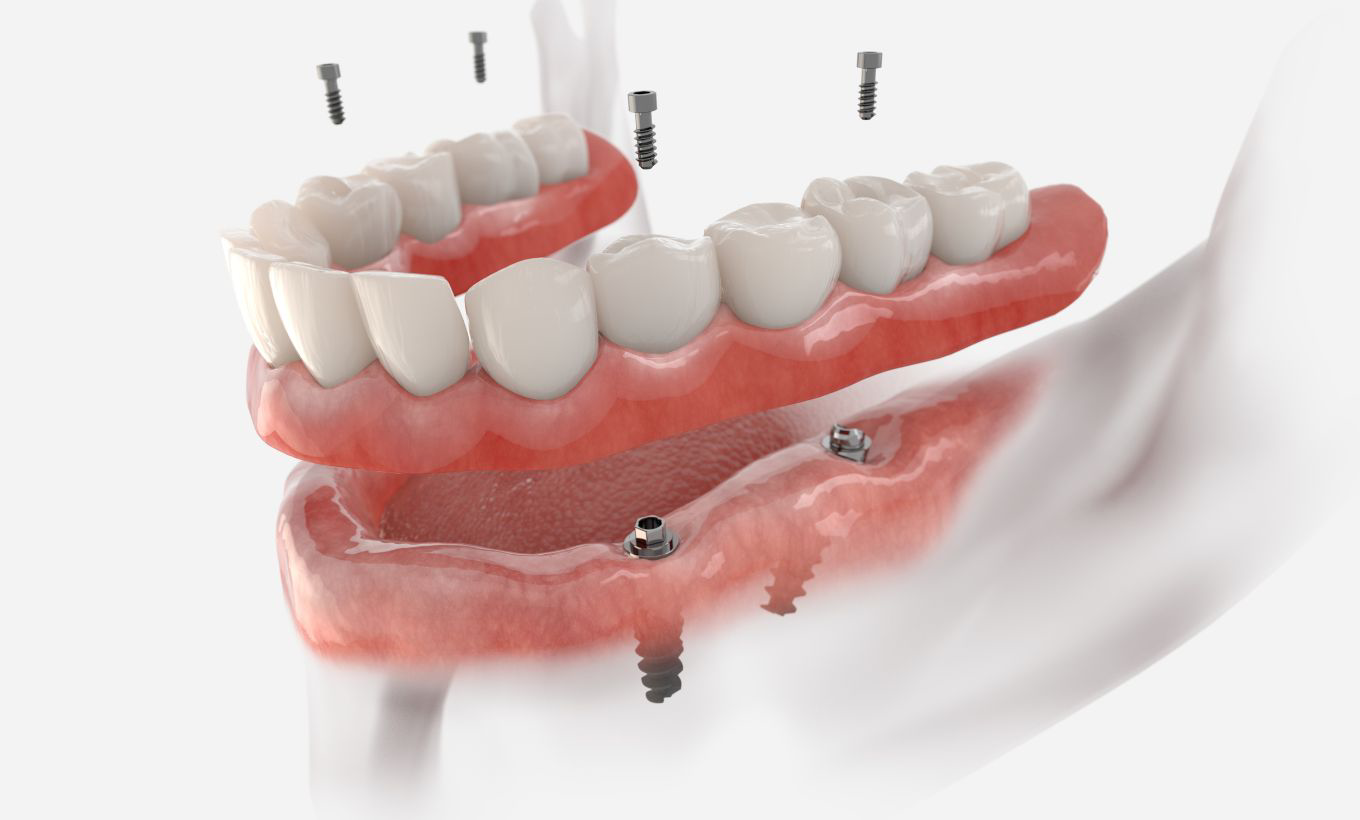
This is an effective and functional treatment option for edentulous patients. The prosthesis is screwed directly onto the implants, making it easy for the dentist to remove and clean. It offers chewing functions and aesthetics very close to natural teeth.
Detailed InformationDental implants are used to replace missing teeth, improve chewing and speech functions, and enhance the overall aesthetic appearance of the smile.
Generally, individuals with sufficient jawbone density, good oral health, and no uncontrolled systemic diseases are eligible for this treatment.
It is generally not recommended for individuals with severe periodontal disease, inadequate bone density that cannot be grafted, or certain systemic conditions (e.g., uncontrolled diabetes or severe osteoporosis).
During the operation, the implant is placed into the bone, followed by a waiting period of a few months for osseointegration (fusion with the bone). Finally, the artificial tooth (crown) or bridge is mounted.
The osseointegration process can take several months. The total treatment duration varies depending on the specific case and whether any additional procedures or complications occur.
Pros: Long-lasting, aesthetically natural appearance, and significant improvement in chewing and speech functions.
Cons: Higher initial cost, requires surgical intervention, and carries a small risk of potential complications.
The type and material of the implant, the expertise of the specialist, and any required additional treatments (such as bone grafting) all influence the final cost.
Regular maintenance and professional check-ups after implant treatment are vital for the longevity of your implants. Our expert team will provide guidance on the best oral hygiene practices for your new teeth.
To receive detailed information about implant treatment and to evaluate your suitability, you should consult with a professional dentist.
Dental implants are artificial roots surgically placed into the jawbone to replace missing teeth. Various types exist, and the selection depends on the patient's specific needs, jawbone condition, and overall health factors.