



Gum Ability
Gums are the cornerstone of oral health and possess a natural ability to regenerate. However, this ability can be diminished or completely lost due to various factors and diseases. Here is a detailed look at this process and the factors affecting it.
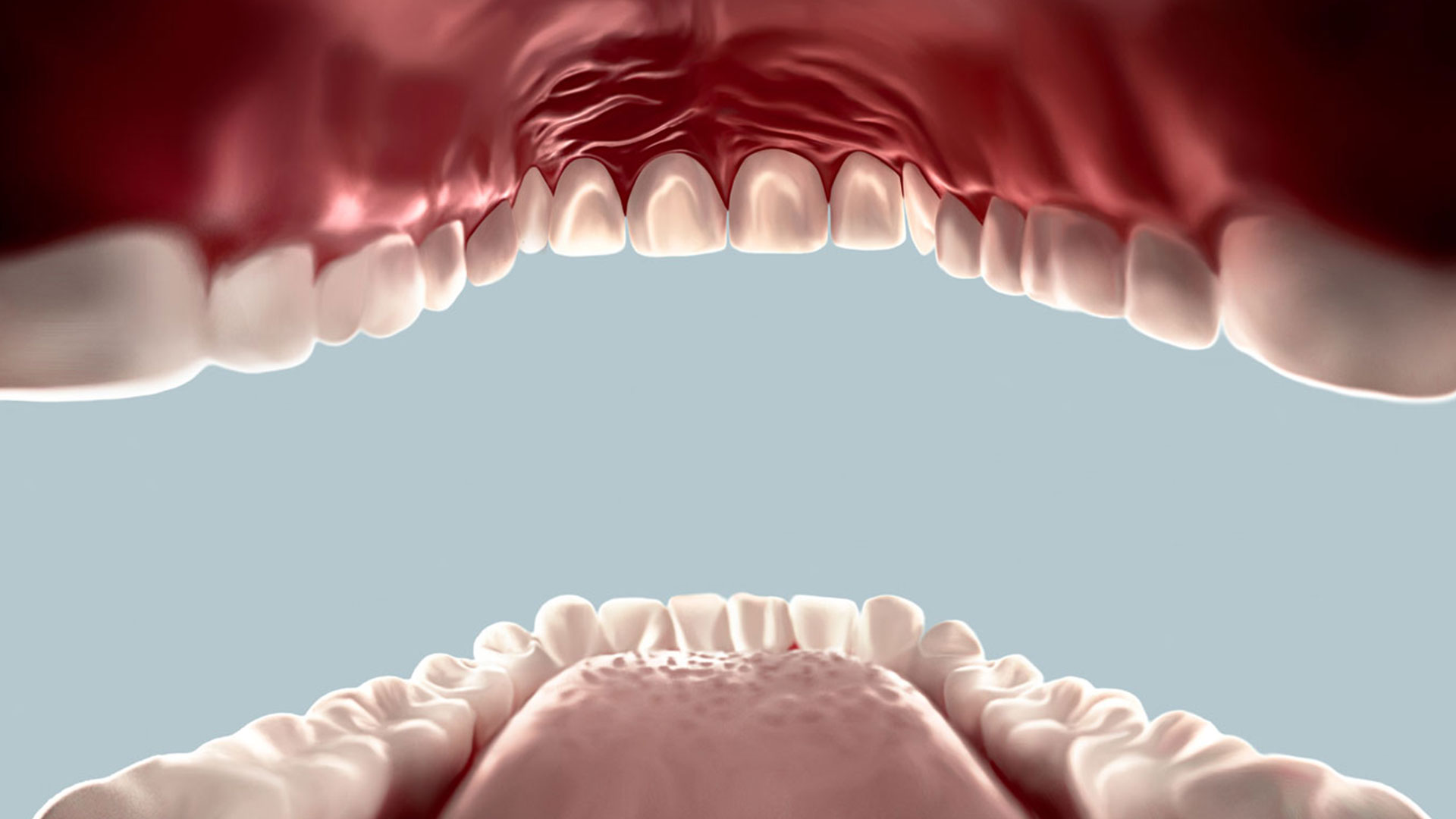
Mechanism of Gum Regeneration
Under normal conditions, gum cells constantly produce new cells, discard old ones, and thus regenerate the tissue. However, this mechanism can be severely disrupted under certain conditions.
Factors Affecting Regeneration
Gum Diseases & Loss
Gum diseases, particularly periodontitis, can significantly impact self-regeneration. Bacterial plaque and tartar produce toxins that damage gum cell DNA and disrupt function.
Aging & Lifestyle
Chronic stress, poor nutrition, smoking, and alcohol use negatively affect gum health. Aging also naturally decreases the body's regeneration capacity.
Impact of Systemic Diseases
Diabetes, cardiovascular diseases, and autoimmune disorders are often associated with gum disease and can further weaken the gums' ability to regenerate.
Treatment & Importance
Failure to treat affected gums can lead to tooth loss and worsen systemic diseases. Early diagnosis is vital. Treatment typically includes professional cleaning, antibiotics, and surgical procedures.
Preventive Measures
Preventive measures include regular dentist visits, good oral hygiene, a balanced diet, and avoiding smoking. These measures are critical for maintaining the gums' regeneration capacity.