
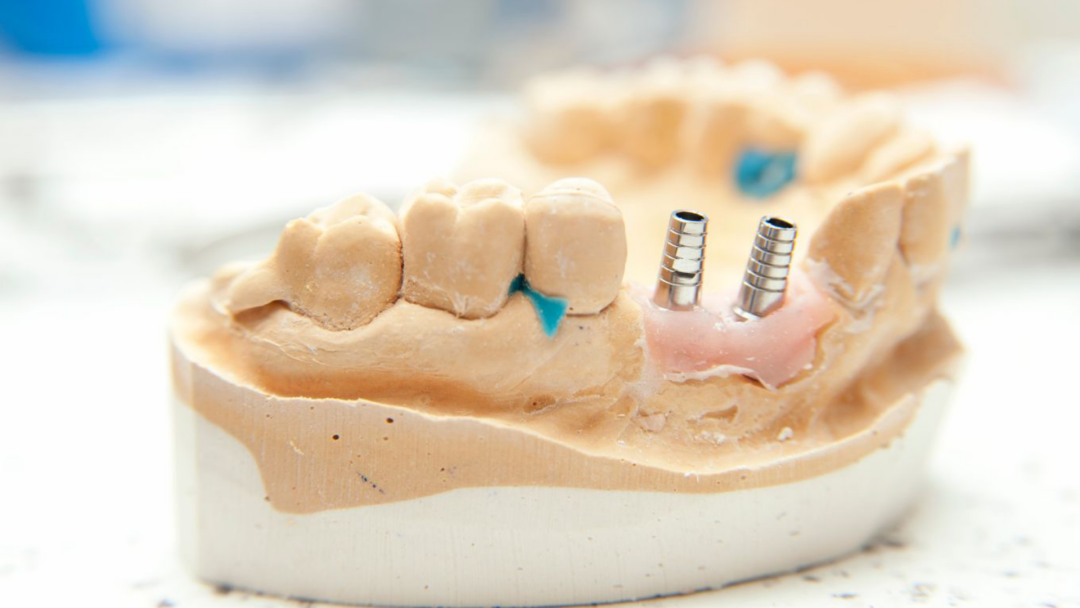
Implant Treatment in Bone Deficiency
We address bone loss with bone grafting and CT scanning for patients with inadequate bone.
Read More


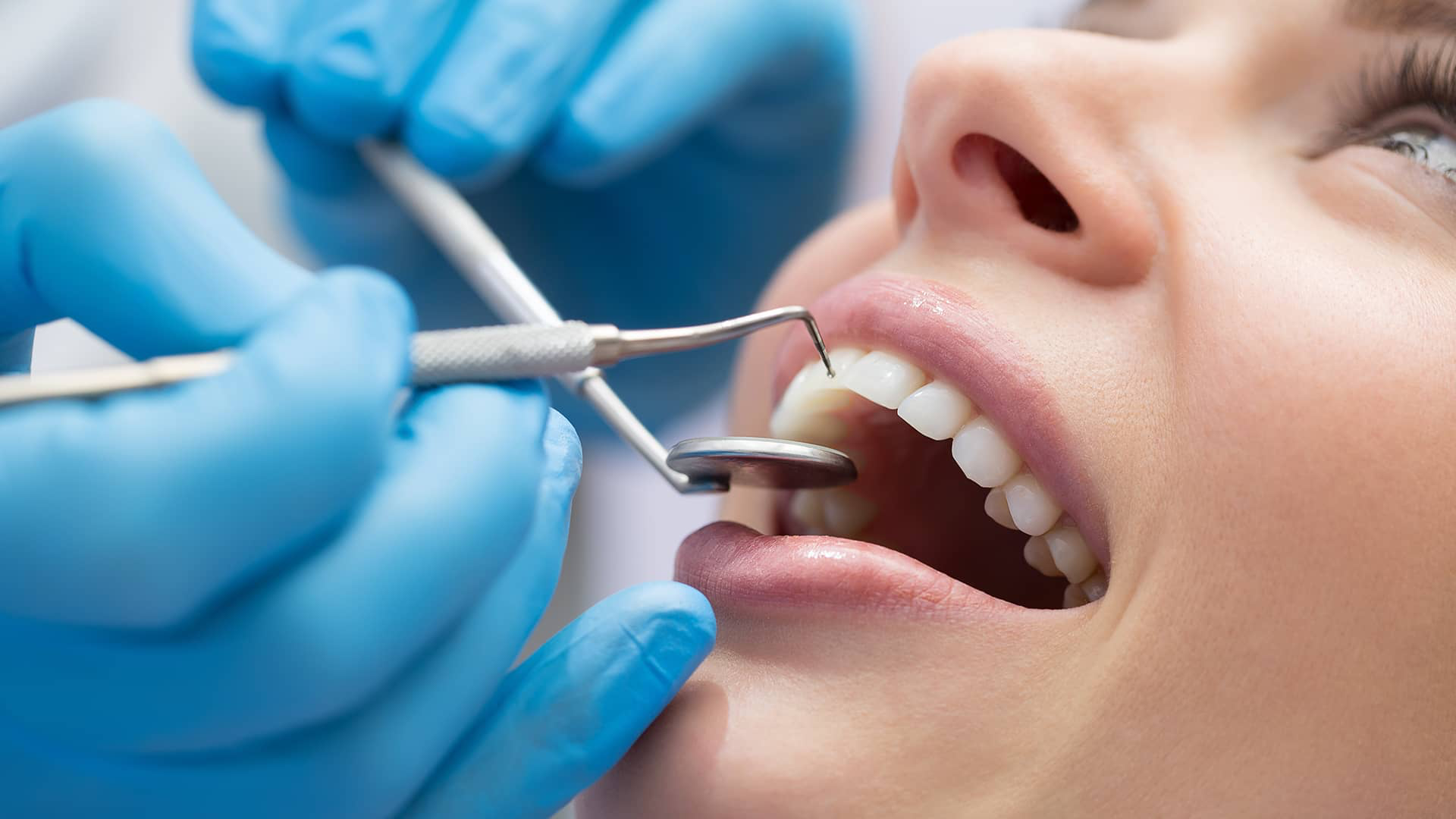
Teeth grinding, medically known as Bruxism, is a behavior that is quite common in today's society. Even though it happens frequently, most people who grind their teeth are unaware of this habit until it causes noticeable damage or pain.
Bruxism often goes undiagnosed because its symptoms—such as headaches or earaches—might be confused with other ailments. Because many bruxism symptoms naturally affect the head and neck, they can be severe and persistent.
Grinding does more than just wear down your teeth; it can affect your entire jaw and facial structure. Common indicators include:
Pain in healthy tooth roots or gums without any apparent cause like cavities.
Tinnitus (ringing in the ears) or clicking sounds in the jaw joint during movement.
Morning tension or soreness in the jaw, temples, or face after a night of clenching.
Modern urban life and high levels of stress are the primary drivers of bruxism. Observations in our clinic showed a significant spike in grinding cases specifically during periods of global stress, such as the onset of the Covid-19 pandemic. Other causes include:
The goal of treatment is to protect the teeth from further wear and relieve pressure on the jaw joint:

Discover long-term solutions for teeth grinding and protect your oral health today.
We address bone loss with bone grafting and CT scanning for patients with inadequate bone.
Read More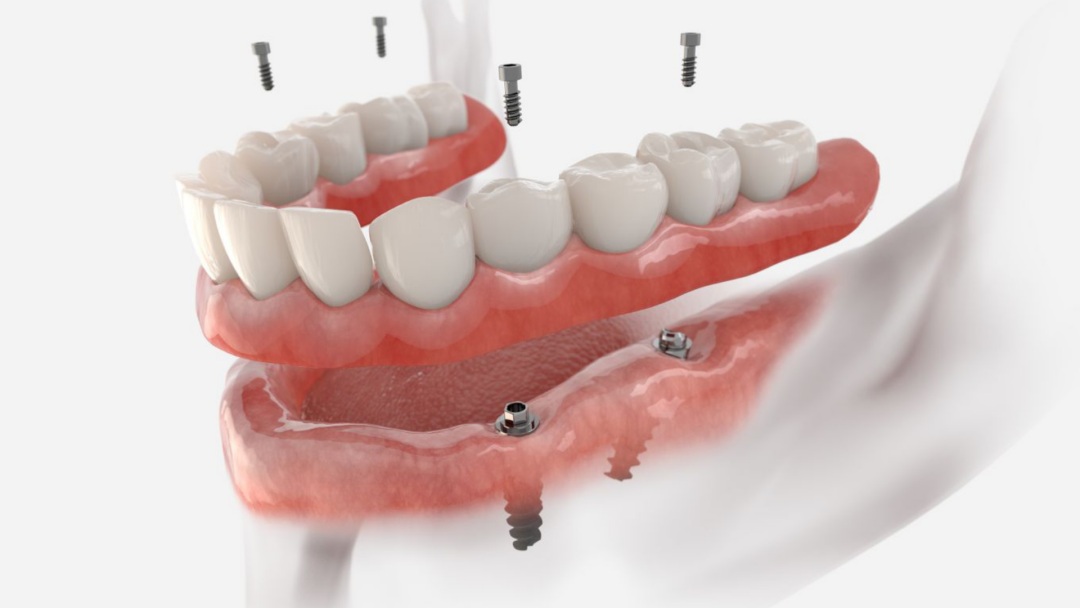
The screw-retained prosthesis provides aesthetics and functionality, and quick cleaning.
Read More
Stitch-free implants offer quick healing and less pain but come at an additional cost.
Read More
One-day implant is possible for out-of-town patients. Temporary tooth can be set in 24 hours.
Read More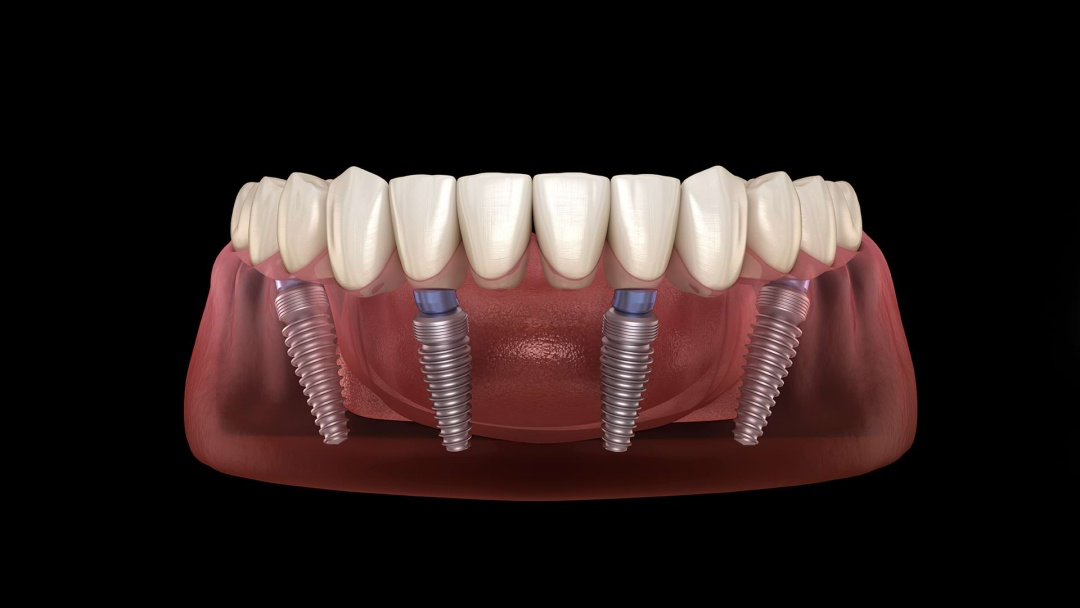
All on Four is a quick tooth replacement method for edentulous individuals, using 4 implants.
Read More