
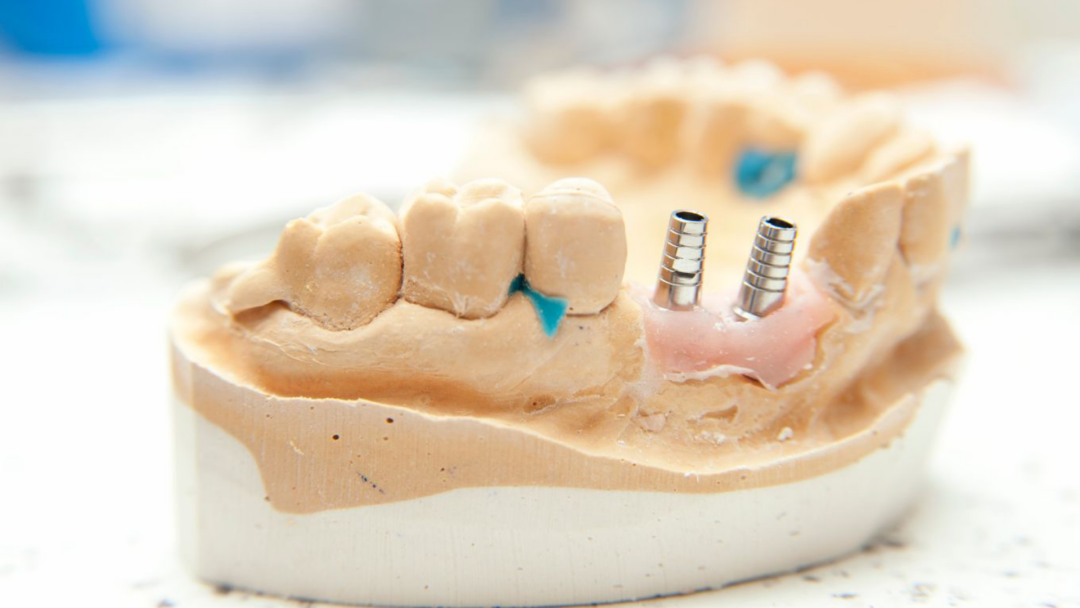
Implant Treatment in Bone Deficiency
We address bone loss with bone grafting and CT scanning for patients with inadequate bone.
Read More



One of the most prevalent diseases in the world is tooth decay. People who frequently consume sugary meals and have poor dental hygiene are more likely to experience it. Dental caries may go undetected if regular checkups are not done, especially on the interfaces. For this reason, painless dental caries detection and treatment are routinely performed every six months. Exams by the dentist ensure early detection and successful treatment.
In our mouths, there are millions of microorganisms. The decay-causing bacteria secrete acid at an increasing rate when food residues (especially those high in sugar, wheat, or starch) are not removed. These acids dissolve the enamel tissue, inducing tooth decay. Consequently, frequent consumption of sugary and acidic foods raises the risk.
White patches on the surface of the tooth are the first indication of decay. Before they develop into caries, white lesions discovered at this stage can be treated and reversed. If unchecked, the cavity deepens, eventually creating a hole. Without intervention, decay reaches the softer tissues in deeper regions, accelerating damage.
While common in youth, aging introduces factors like gingival recession, exposing the root surface (cementum). Cementum is weaker than enamel, making it more susceptible to decay.
We offer advanced periodontal treatments and dental implant solutions using state-of-the-art technology and proven techniques.

In early stages, decay typically shows no symptoms. As it progresses:
Decay is primarily caused by poor hygiene and diet:
Routine exams and X-rays are crucial for detecting cavities, especially between teeth. Once established, treatment strategies vary:
Fluoride administration can stop or reverse decay if discovered in the white lesion stage.
Decayed tissue is removed and filled. Advanced CAD/CAM Inlays/Onlays (porcelain/composite) provide durable and aesthetic restorations.
If decay reaches the nerve, a root canal cleans the infection. Crowns (Zirconium/Porcelain) restore heavily damaged teeth.
If the tooth is unsalvageable, extraction is necessary. Implants or bridges can then restore the missing tooth.
We address bone loss with bone grafting and CT scanning for patients with inadequate bone.
Read More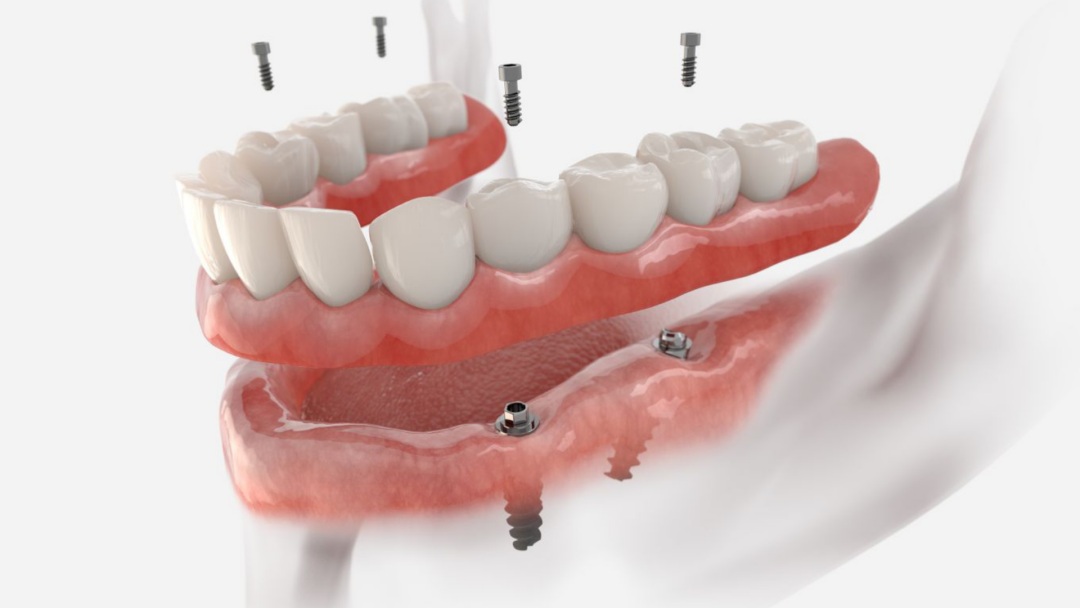
The screw-retained prosthesis provides aesthetics and functionality, and quick cleaning.
Read More
Stitch-free implants offer quick healing and less pain but come at an additional cost.
Read More
One-day implant is possible for out-of-town patients. Temporary tooth can be set in 24 hours.
Read More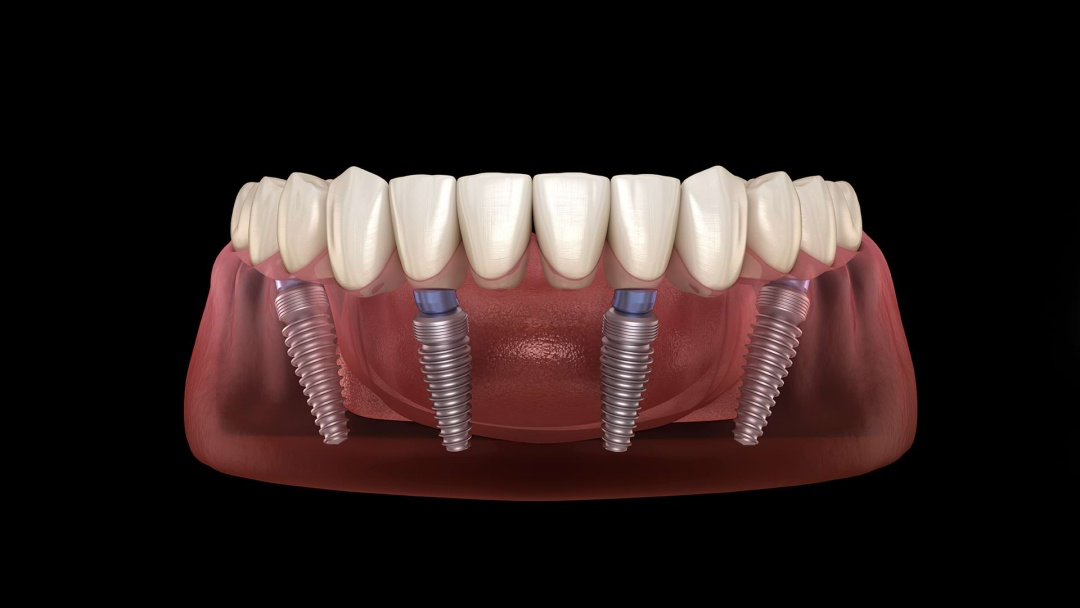
All on Four is a quick tooth replacement method for edentulous individuals, using 4 implants.
Read More